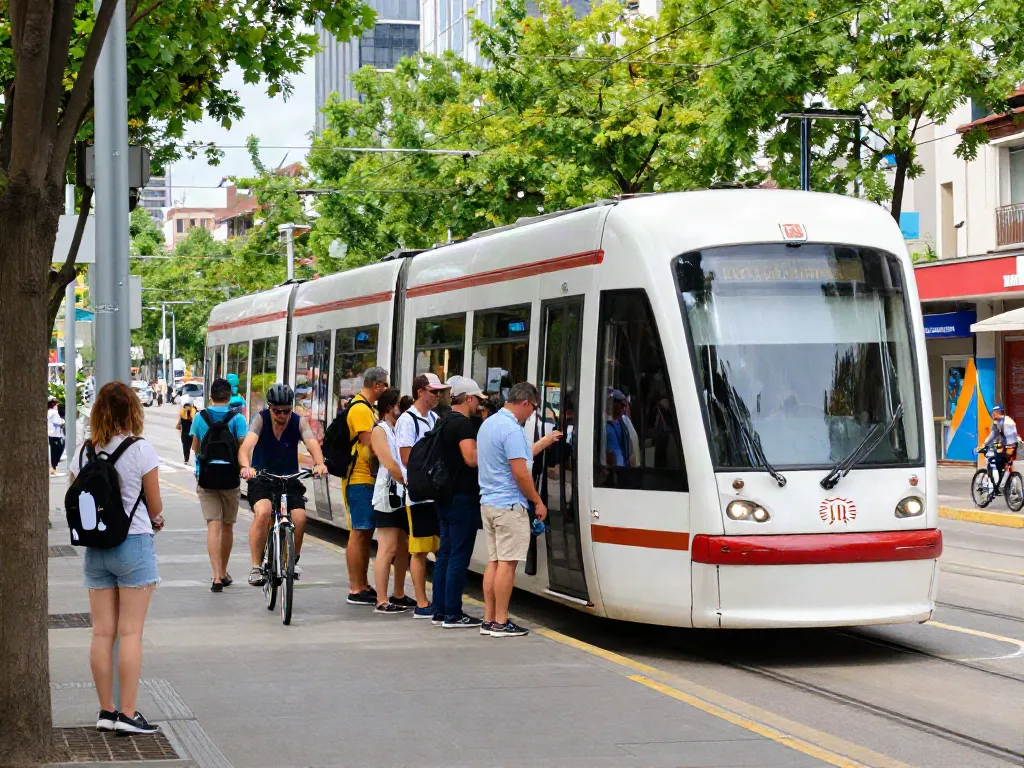
Understanding the Importance of Urban Transit
Urban transit systems play a critical role in shaping the mobility of cities. As populations grow and urban areas become increasingly congested, the need for sustainable and efficient transportation options becomes paramount. Public transportation, including streetcars, light rail, and buses, helps to reduce traffic congestion, lower carbon emissions, and move large numbers of people quickly and efficiently. It is essential for urban planners, policymakers, and citizens to understand these dynamics to foster sustainable urban environments. When exploring options, streek.ca provides comprehensive insights into the current landscape of urban transit.
Why Urban Transit Matters Today?
The significance of urban transit cannot be overstated in today's context. With rapid urbanization, cities are struggling to accommodate growing populations. Public transit systems offer a solution by providing an alternative to individual car usage, which contributes significantly to traffic congestion and air pollution. Additionally, efficient transit systems can improve accessibility, allowing more residents to reach jobs, schools, and services.
Moreover, urban transit impacts economic development. Cities boasting robust public transportation networks can attract businesses and tourism, as easy access is a major factor in location selection for companies. Overall, urban transit systems not only facilitate economic growth but also promote social equity by connecting underserved communities to essential services.
Key Benefits of Efficient Public Transportation
- Reduced Traffic Congestion: Efficient public transit systems help alleviate traffic by encouraging shared rides and encouraging the use of mass transit instead of personal vehicles.
- Environmental Impact: Public transportation produces less pollution per passenger mile compared to single-occupancy vehicles, aiding in the fight against climate change.
- Cost Savings: For individuals, using public transit often reduces transportation costs compared to maintaining a private vehicle, including fuel, insurance, and parking expenses.
- Health Benefits: By reducing the number of cars on the road, urban transit helps improve air quality and, by promoting walking and cycling to transit stops, encourages a more active lifestyle.
Common Misconceptions About Streetcars vs. Buses
One common misconception is that buses are always the more flexible option. While it's true that buses can navigate a wide variety of routes and are generally less expensive to implement, streetcars often provide a more reliable and higher-capacity alternative. Streetcars have dedicated tracks that allow for smoother travel and fewer delays caused by traffic congestion, making them a more efficient option in densely populated urban environments.
Moreover, streetcars are often seen as more appealing than buses due to their aesthetic appeal and historical significance, leading to increased ridership. Cities that invest in streetcar systems frequently see enhancements in local business revenues and property values along the routes.
The Future of Urban Transportation in 2026
The landscape of urban transportation is rapidly evolving, and understanding the trends shaping these changes is essential for stakeholders in urban planning and development. Innovations in technology, shifting demographics, and changing preferences will drive the future of public transit.
Emerging Trends in Transit Technology
One of the most significant trends in transit technology is the integration of smart systems. Real-time tracking, contactless payments, and mobile apps that provide instant updates can enhance the user experience, making public transportation more attractive. Additionally, electric and autonomous vehicles are becoming increasingly important, as cities aim to reduce their carbon footprint and improve operational efficiency.
Moreover, data analytics is playing a crucial role in optimizing transit routes and schedules. By analyzing passenger patterns and behaviors, transit authorities can make informed decisions to enhance service delivery and efficiency.
Predicted Changes in Urban Mobility Patterns
As remote working becomes more embedded in corporate culture, urban mobility patterns are likely to evolve significantly. With more people working from home at least part-time, demand for transportation during traditional peak hours may decrease, allowing for a more flexible transit schedule. Additionally, increasing acceptance of shared mobility services like ride-hailing and bike-sharing will influence public transit usage. This shift could necessitate transit systems to adapt their services to remain relevant.
Innovative Design Principles for Streetcars
As cities look to enhance their public transit offerings, innovative design principles for streetcars are gaining traction. These principles focus on integrating streetcars into the urban fabric rather than merely overlaying them onto existing infrastructure. Elements such as dedicated lanes, safe pedestrian crossings, and enhanced station accessibility are essential to ensuring that streetcar systems can efficiently serve diverse populations.
Challenges Facing Urban Streetcar Systems
Despite their benefits, urban streetcar systems face several challenges that must be addressed to enhance their viability and effectiveness.
Infrastructure Limitations and Solutions
Many cities struggle with aging infrastructure that can hinder the implementation and maintenance of streetcar systems. Upgrading existing rail lines and ensuring proper maintenance requires significant investment and planning. Solutions may include public-private partnerships to leverage funding or phased implementation strategies that prioritize the most critical areas.
Operating Costs and Financial Viability
Operating costs can be another hurdle for urban streetcar systems, especially in cities with limited budgets. Strategies for managing these costs include optimizing service frequency based on ridership patterns and exploring diverse funding sources, such as local taxes or federal grants. Additionally, partnerships with local businesses can generate revenue through advertising on streetcars and at stations.
Addressing Public Concerns and Misunderstandings
Public perception can significantly impact the success of streetcar initiatives. It is vital for transit authorities to engage with communities and address concerns about potential disruptions during construction, ongoing operational costs, and the long-term benefits of new systems. Building strong public support through transparent communication and community involvement is critical for the success of any urban transit project.
Best Practices for Enhancing Streetcar Usage
To maximize the potential of streetcar systems, cities must consider best practices that enhance usage and public support.
Community Engagement and Education Strategies
Effective community engagement is crucial for the successful implementation of streetcar systems. This includes informational campaigns that educate residents on the benefits of streetcars and how they can improve urban transit overall. Involving community members in planning processes allows for greater ownership and input, fostering a more favorable attitude toward projects.
Optimizing Routes and Schedules for Efficiency
Analyzing ridership data is essential for identifying which routes require optimization in frequency and service hours. Cities can implement flexible routing options, adjusting service during off-peak times to better serve the needs of residents. This adaptability can contribute to higher ridership rates and overall satisfaction with the transit system.
Marketing the Benefits of Public Transit to Residents
To encourage the use of streetcars and other public transit options, cities must effectively market the benefits. This includes highlighting convenience, affordability, and reduced environmental impact compared to driving. Successful marketing strategies may encompass social media campaigns, partnership with local businesses, and community events that showcase transit options.
Real-World Success Stories of Urban Transit
Examining successful transit implementations can offer invaluable insights for cities looking to enhance their urban mobility options.
Case Study: Successful Streetcar Implementation
One notable success story is Portland's streetcar system, which effectively integrates various modes of transportation into a single cohesive network. By linking neighborhoods, business districts, and major transit hubs, the streetcar has increased transit ridership and bolstered economic activity along its routes.
Comparative Analysis of Streetcar Systems Globally
Globally, cities like Amsterdam and Melbourne have demonstrated the effectiveness of streetcars as an integral part of their urban transit systems. Each city adapts its streetcar network to the local context, leveraging unique design principles and operational strategies that respond to community needs while promoting sustainability.
Future Predictions Based on Current Successes
As urban transit systems continue to evolve, the integration of technology and innovative design will likely become standard practice. Public transit’s role in urban settings will expand, and successful streetcar systems will inspire more cities to invest in similar initiatives, reshaping the future of urban mobility for generations to come.
What are the benefits of streetcars over buses?
Streetcars typically offer a more reliable ride, greater capacity, and a more pleasant experience than buses due to their dedicated tracks and smoother operation. This can make them a preferable choice in densely populated urban areas.
How does public transportation impact local economies?
Public transportation supports local economies by providing access to jobs, reducing commuting costs, and enhancing property values along transit corridors. Cities that prioritize transit development often see significant economic benefits as a result.
What are the projected innovations in urban transit?
Future innovations may include autonomous public transit options, smarter ticketing solutions, and enhanced integration with other modes of transport, which could revolutionize urban mobility and improve user experiences.
How can communities better support transit initiatives?
Communities can support transit initiatives by actively participating in planning processes, advocating for funding, and becoming champions for public transit's positive impacts on sustainability and community connectivity.
What challenges are most common in urban streetcar systems?
Common challenges include high initial infrastructure costs, public skepticism, and the need for ongoing maintenance and upgrades to existing systems. Addressing these issues through innovative funding and community engagement strategies can pave the way for successful implementations.