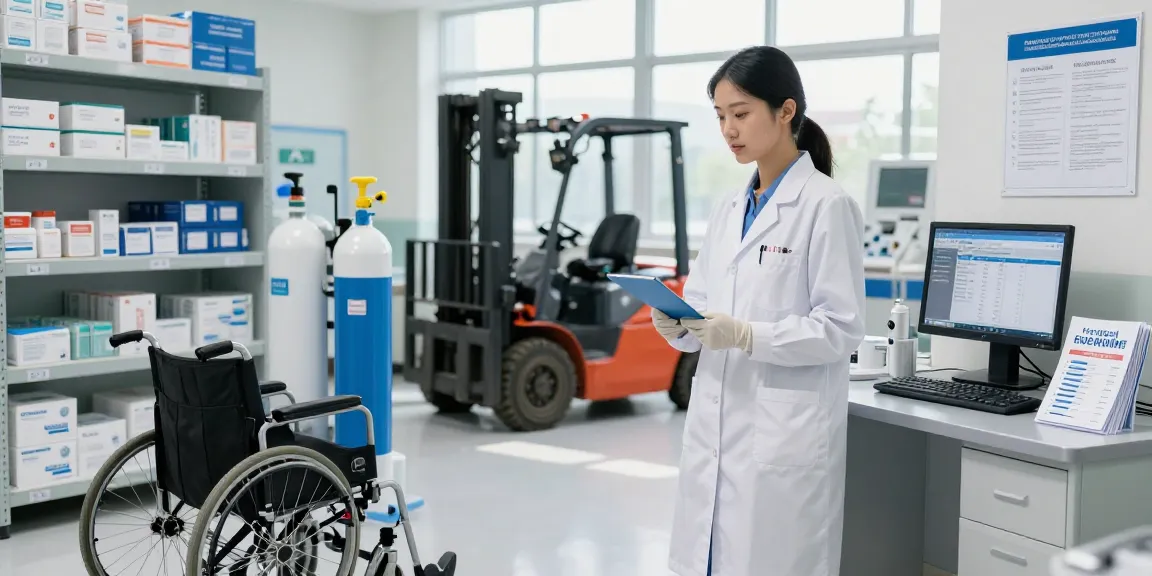
Understanding the Role of Medical Equipment Suppliers
In the healthcare industry, medical equipment suppliers play a critical role in ensuring that medical facilities have the necessary tools and devices to deliver high-quality patient care. From hospitals to outpatient clinics, these suppliers provide a range of medical devices, technologies, and equipment essential for diagnosing, monitoring, and treating various health conditions. Understanding their role is fundamental for healthcare stakeholders, including administrators, practitioners, and patients who rely on these supplies for effective healthcare delivery.
What Are Medical Equipment Suppliers?
Medical equipment suppliers are specialized companies that provide an array of devices used in healthcare settings. These can include everything from diagnostic tools like MRI machines and X-ray devices to therapeutic equipment such as ventilators and infusion pumps. They often serve as intermediaries between manufacturers and healthcare facilities, ensuring that the latest technologies are accessible to medical professionals.
Importance of Quality in Medical Supplies
The quality of medical supplies is paramount. Poor-quality equipment can lead to serious consequences, including misdiagnosis, ineffective treatment, and even patient harm. Therefore, suppliers must adhere to strict industry standards and regulations to guarantee the safety and efficacy of their products. High-quality supplies also enhance operational efficiency, reducing the risk of equipment failure and minimizing the need for frequent replacements or repairs.
How Suppliers Impact Healthcare Delivery
Medical equipment suppliers significantly impact healthcare delivery through their ability to provide timely access to essential supplies. Their efficiency affects how quickly healthcare facilities can respond to patient needs. Additionally, suppliers often offer training and support for medical personnel on how to use complex equipment, further ensuring that technology is used effectively to improve patient outcomes.
Challenges Faced by Medical Equipment Suppliers
Supply Chain Disruptions During Emergencies
One of the significant challenges medical equipment suppliers face is the disruption of supply chains during emergencies, such as natural disasters or pandemics. These events can severely hinder the production and distribution of medical supplies, leading to shortages that threaten patient care. Suppliers must have contingency plans in place to mitigate such disruptions and maintain a steady supply of critical equipment.
Regulatory Compliance and Standards
Adhering to regulations set by governing bodies is another challenge. Medical equipment suppliers must meet rigorous standards, including those set by the FDA in the United States, to ensure product safety and effectiveness. Navigating these regulations can be complex and time-consuming, requiring suppliers to stay updated on changes and maintain a high level of compliance.
Cost Management and Pricing Strategies
Cost management is critical in the medical equipment supply industry. Suppliers need to balance competitive pricing with the need to maintain quality and profitability. This often requires strategic sourcing of materials, negotiating with manufacturers, and optimizing supply chain efficiency to keep costs down while ensuring that healthcare providers have access to the best products at reasonable prices.
Choosing the Right Medical Equipment Supplier
Evaluating Supplier Credentials and Certifications
When selecting a medical equipment supplier, it’s essential to evaluate their credentials and certifications. Look for suppliers who are ISO certified or meet other relevant quality management standards. This can indicate a commitment to maintaining high-quality processes and products. Additionally, checking reviews and testimonials from other healthcare providers can provide insight into a supplier’s reliability and reputation.
Key Factors to Consider When Selecting Suppliers
- Product Range: Ensure the supplier offers a wide variety of equipment suitable for your facility’s needs.
- Customer Service: Assess the level of support they provide, including training and after-sales service.
- Delivery Times: Consider the supplier’s reliability in meeting delivery deadlines, especially for critical equipment.
- Pricing: Compare costs across suppliers but don’t sacrifice quality for a lower price.
Building Long-Term Supplier Relationships
Establishing long-term relationships with medical equipment suppliers can lead to better pricing, priority service during emergencies, and enhanced trust. Open communication about needs and expectations helps build a strong partnership that can be beneficial for both parties. Regular meetings and feedback sessions can further consolidate these relationships, allowing for a more streamlined purchasing process.
Future Trends in Medical Equipment Supply
Emerging Technologies in Medical Equipment
The medical equipment supply industry is witnessing rapid technological advancements. Innovations such as telemedicine devices, wearable health monitors, and AI-driven diagnostic tools are becoming integral to healthcare. Suppliers need to stay ahead of these trends to offer cutting-edge solutions that improve patient care and operational efficiency.
Sustainability and Environmental Impact
As the world becomes increasingly aware of environmental issues, medical equipment suppliers are beginning to adopt sustainable practices. This includes sourcing materials responsibly, reducing packaging waste, and creating recyclable products. Suppliers who prioritize sustainability can not only help protect the environment but also appeal to a growing demographic of eco-conscious healthcare providers.
Predictions for the Industry in 2026
By 2026, the medical equipment supply industry is expected to undergo significant transformations. Increased demand for telehealth solutions will likely drive the growth of remote monitoring equipment and home health devices. Moreover, the integration of artificial intelligence and machine learning in medical devices will enhance diagnostic accuracy and treatment efficacy. Suppliers who adapt to these trends will be better positioned in the market.
Real-World Case Studies
Success Stories from Leading Suppliers
Several leading suppliers have successfully navigated challenges and set benchmarks in the industry. For example, a renowned supplier that pivoted during the COVID-19 pandemic was able to rapidly scale up production of ventilators, ensuring that healthcare facilities could meet the surge in patient demand. Such success stories illustrate the importance of agility and innovation in the supply chain.
Impact of Innovation on Supply Efficiency
Innovation plays a pivotal role in improving supply efficiency. Companies that leverage data analytics for inventory management can predict shortages and streamline their logistics. This proactive approach not only enhances supply chain responsiveness but also reduces costs and improves service delivery.
Lessons Learned from Industry Challenges
The pandemic highlighted critical vulnerabilities in the medical supply chain. Suppliers learned the importance of diversifying their sources, maintaining adequate inventory levels, and enhancing their digital capabilities. These lessons will inform strategies moving forward, enabling suppliers to build more resilient supply chains.
What are the common types of medical equipment suppliers?
Common types of medical equipment suppliers include manufacturers, wholesalers, and distributors. Manufacturers produce the devices themselves, while wholesalers buy in bulk and sell to retailers or healthcare providers. Distributors often bridge the gap between manufacturers and end-users, providing additional services such as logistics and customer support.
How do medical equipment suppliers ensure product quality?
Medical equipment suppliers ensure product quality through rigorous testing, maintaining certifications, and adhering to regulatory standards. Regular audits and quality control measures are implemented throughout the supply chain to verify that products meet safety and efficacy requirements.
What certifications should I look for in a medical equipment supplier?
Look for certifications such as ISO 13485, which pertains to quality management systems for medical devices, and FDA approval for products regulated in the United States. These certifications signify that the supplier adheres to international quality standards.
How has the pandemic affected medical equipment supply chains?
The pandemic has exposed fragilities in medical equipment supply chains, causing delays and shortages. It prompted suppliers to rethink their strategies, focusing on agility, diversification of supply sources, and improved forecasting to prepare for future crises.
What innovations are changing the medical equipment supply industry?
Innovations such as smart medical devices, telehealth solutions, and enhanced supply chain technologies like blockchain are transforming the industry. These advancements improve efficiency, increase transparency, and lead to better patient outcomes.